Our History
Over 35 Years Transforming Communities With Love And Service
The Beginning: 1986 – The Birth of World Servants
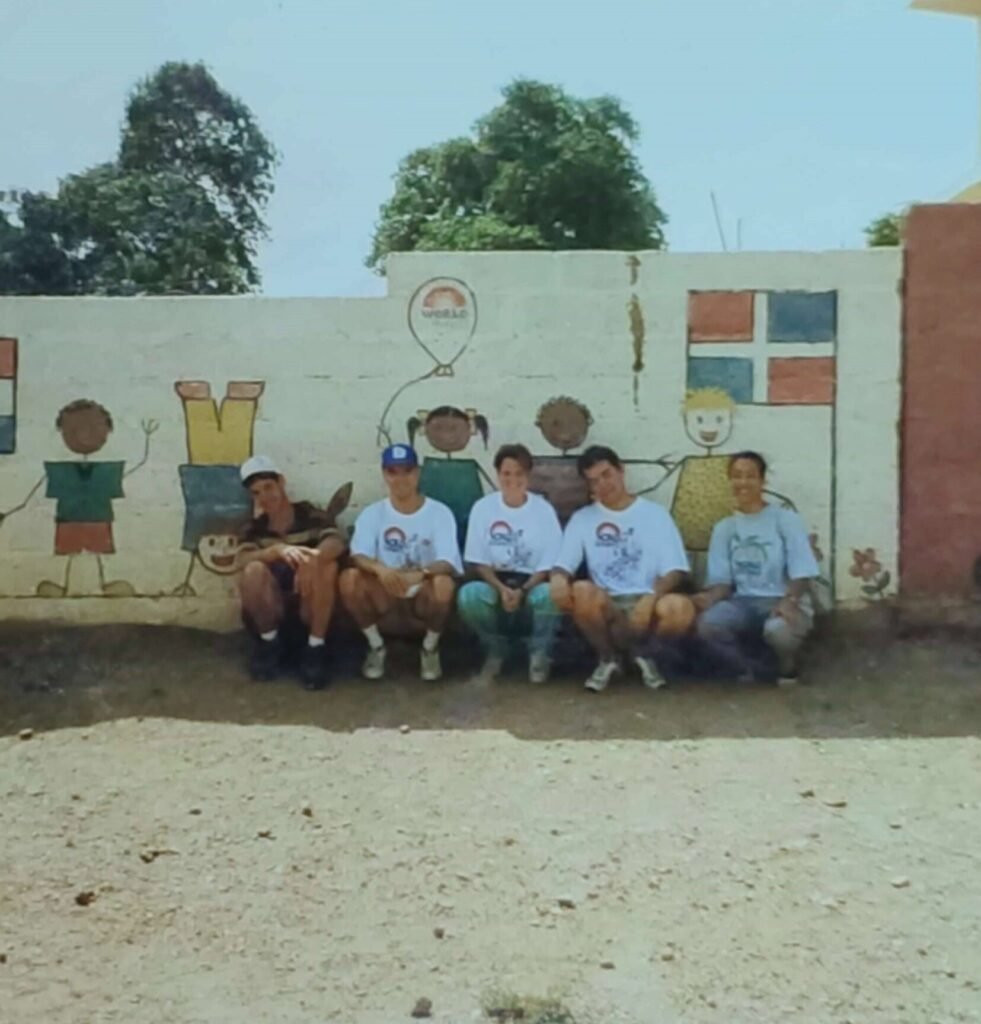
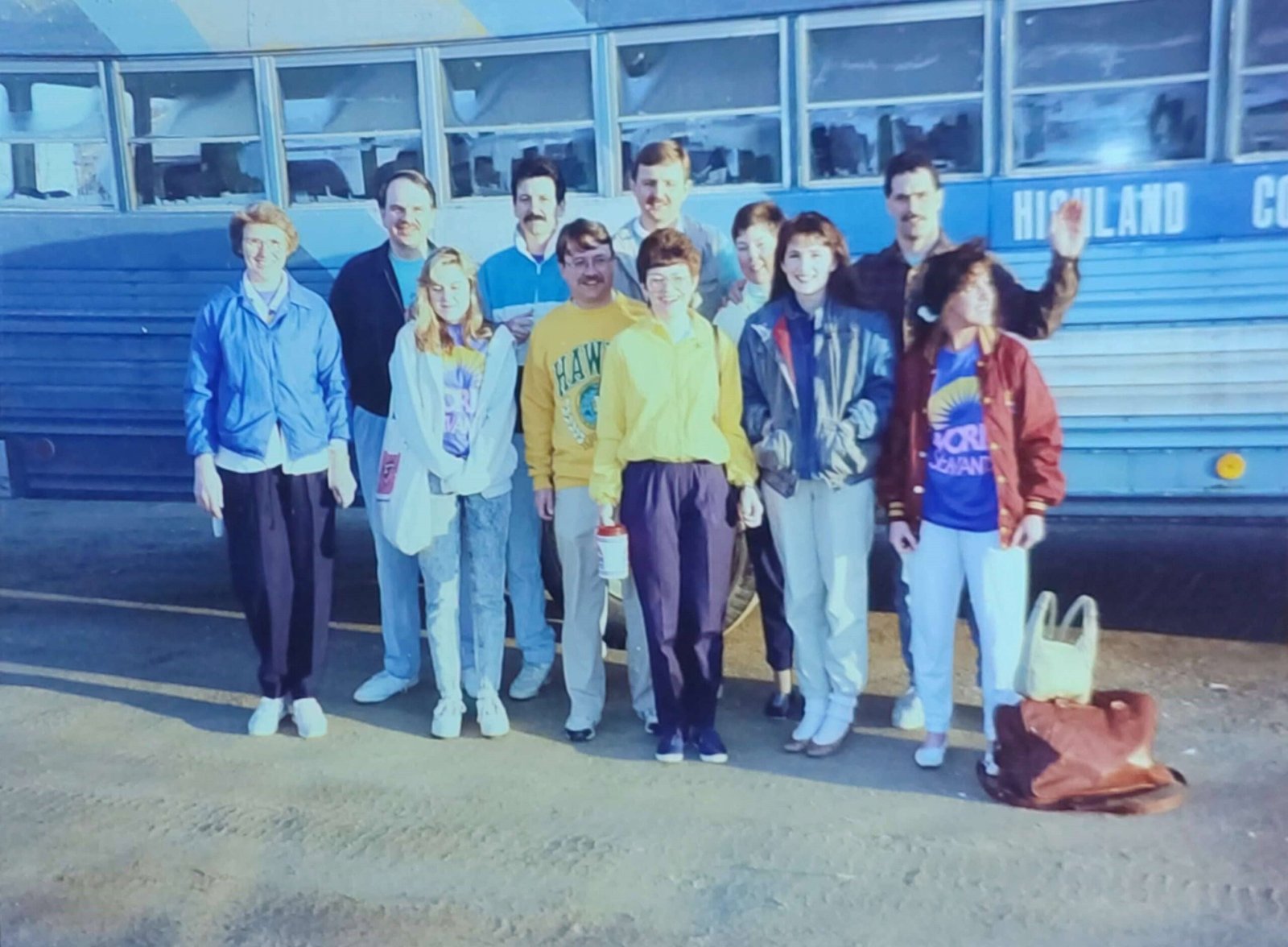
It all started in 1986, when visionary Jack Clarkson founded World Servants in West Palm Beach, Florida (USA), with the purpose of mobilizing Christian service teams to communities in need across Latin America and the Caribbean. Even before this, Jack had already been visiting the Dominican Republic with short-term missions through Youth for Christ and Project Server, planting the seeds of what would become a long-term ministry.
That same year, a European partner visited the community of Guaricanos in the Dominican Republic. Deeply moved by the need and potential, he founded World Servants Holland. This gave birth to an international network: two autonomous branches —the U.S. and Holland— united by the same vision, logo, and purpose: to serve with love and build hope.
Expansion and Growth: 1987 – 1991
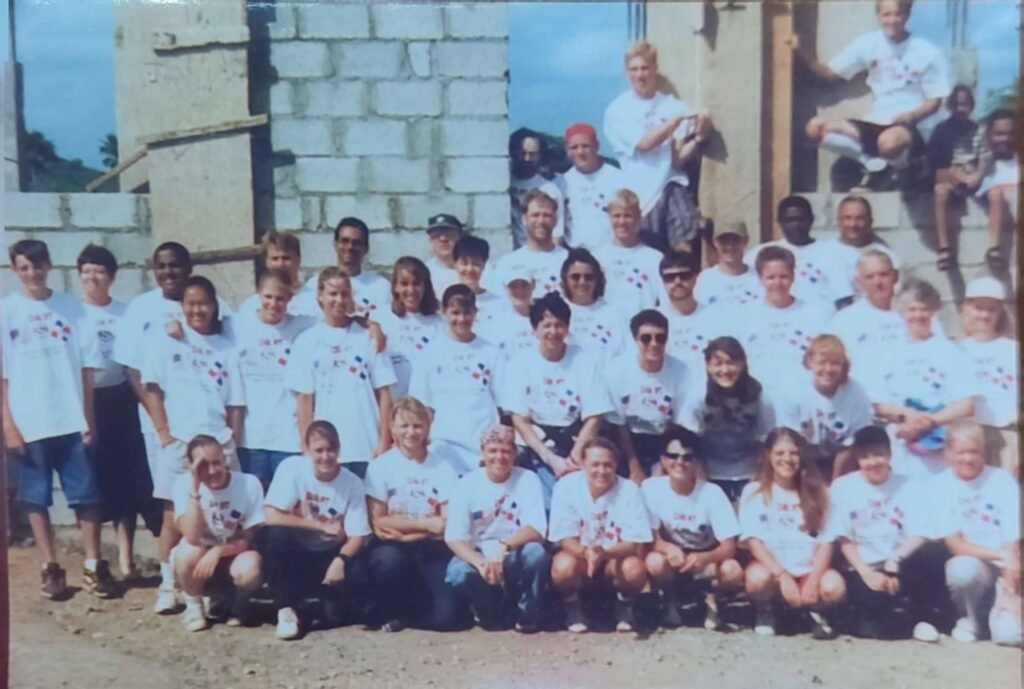
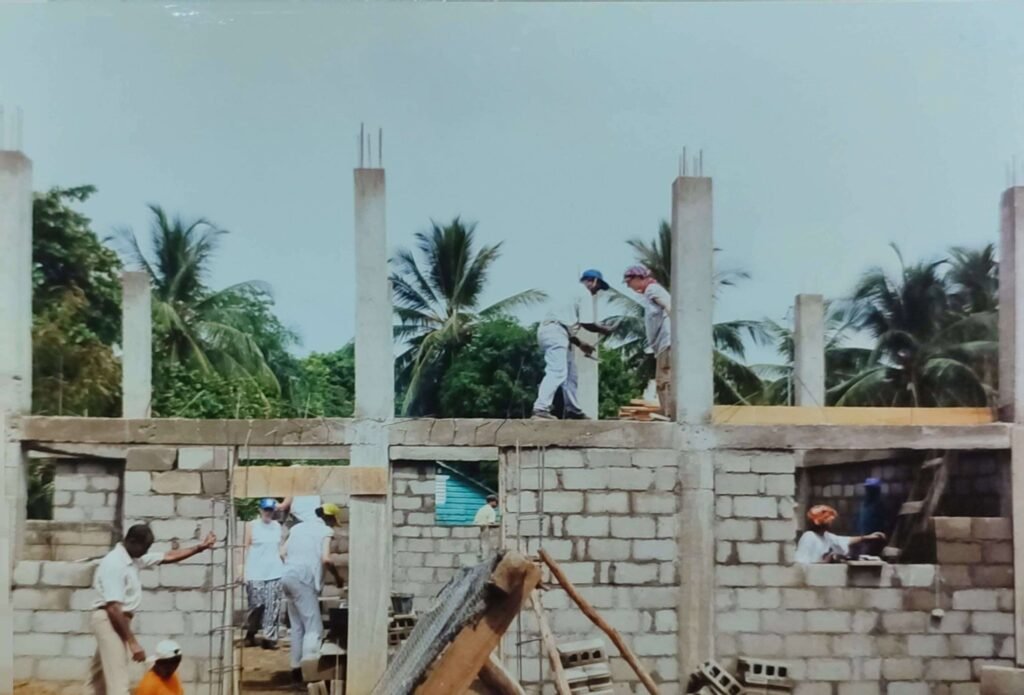
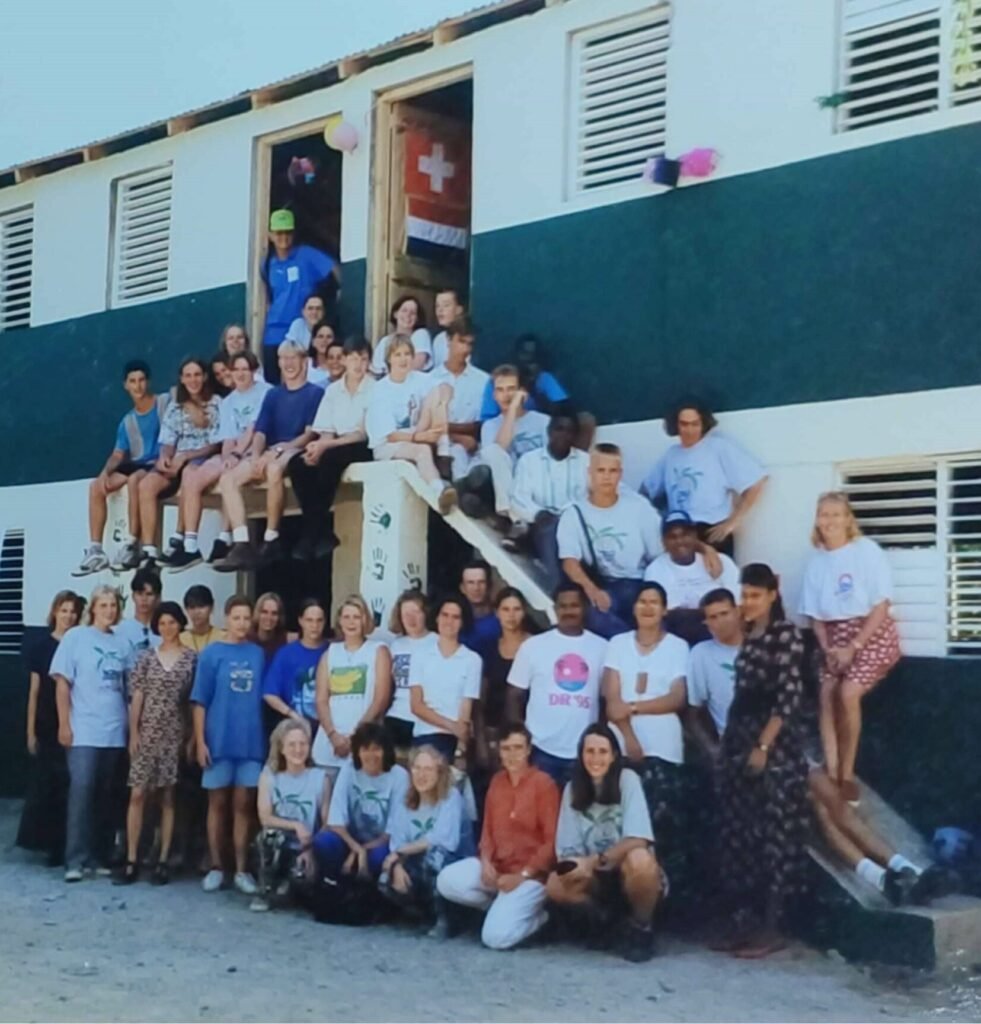
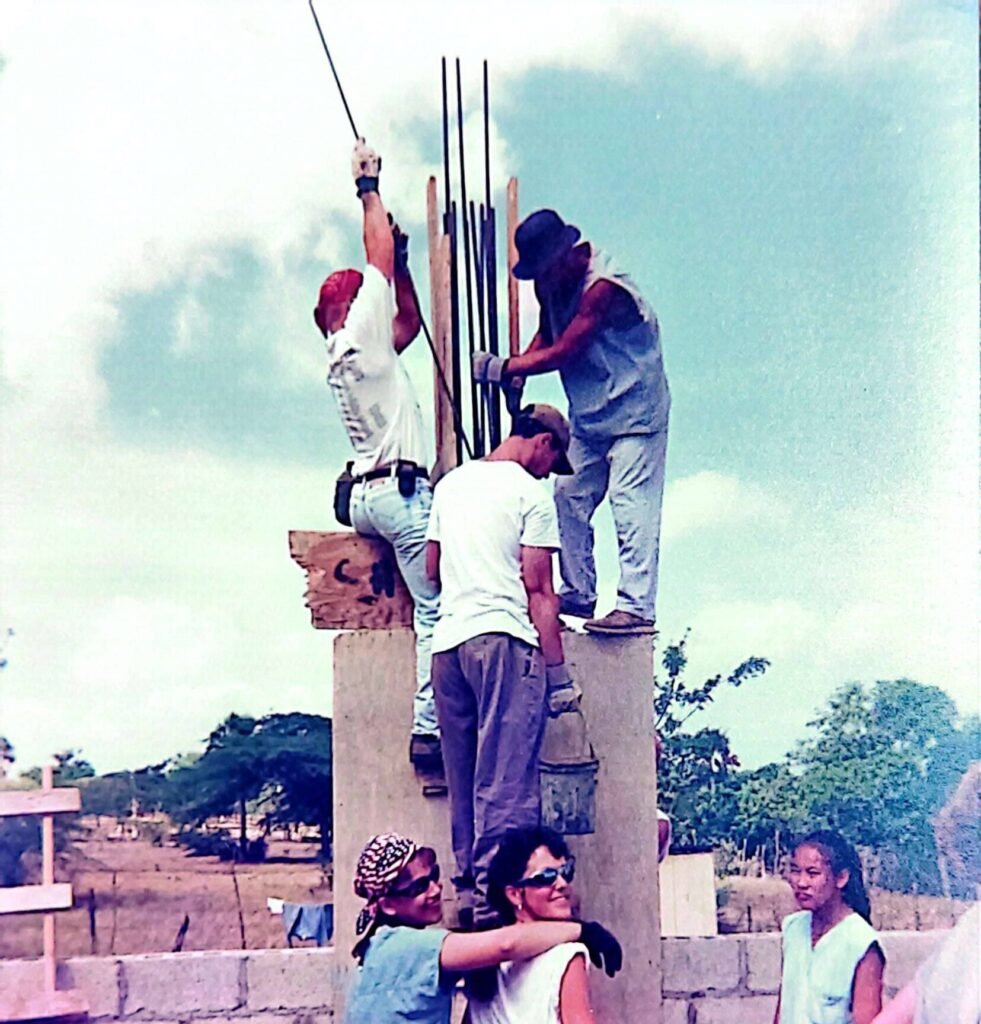
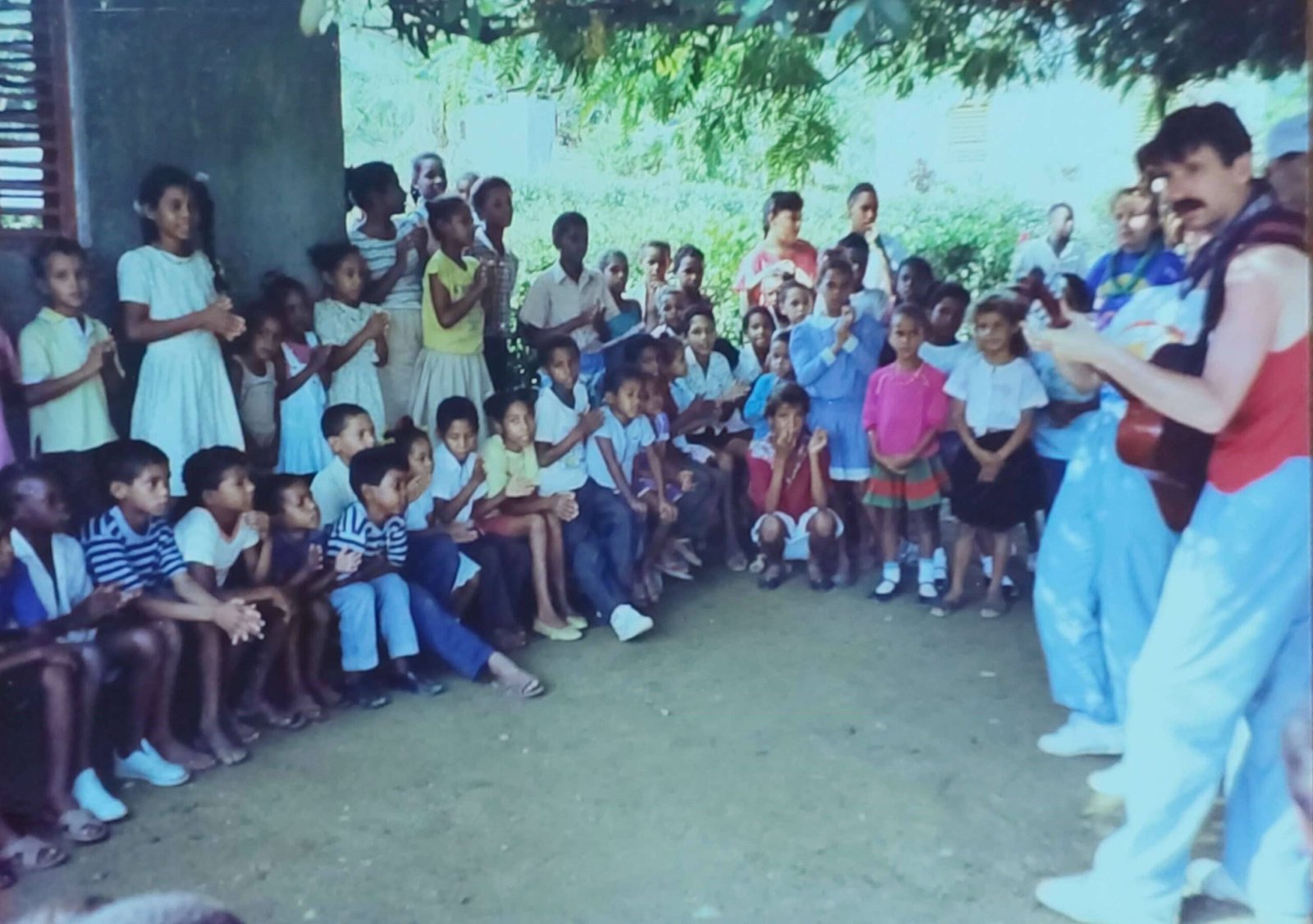
In February 1987, a young Daniel Isaías became the local coordinator in the Dominican Republic, beginning a season of rapid growth. Under his leadership, teams —sometimes exceeding 200 people per mission— built up to five churches at the same time in only two weeks.
In 1989, the first resident director in the country, David Stone, arrived and strengthened the operational structure.
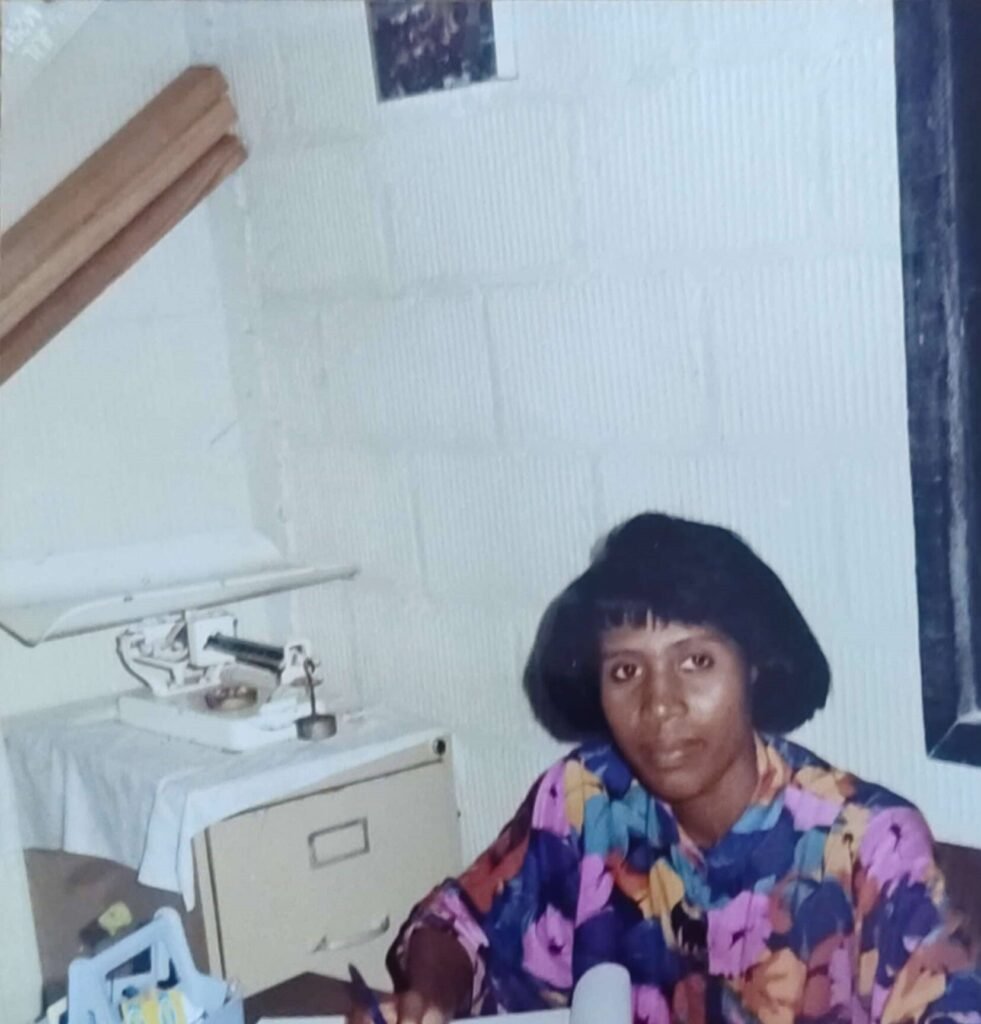
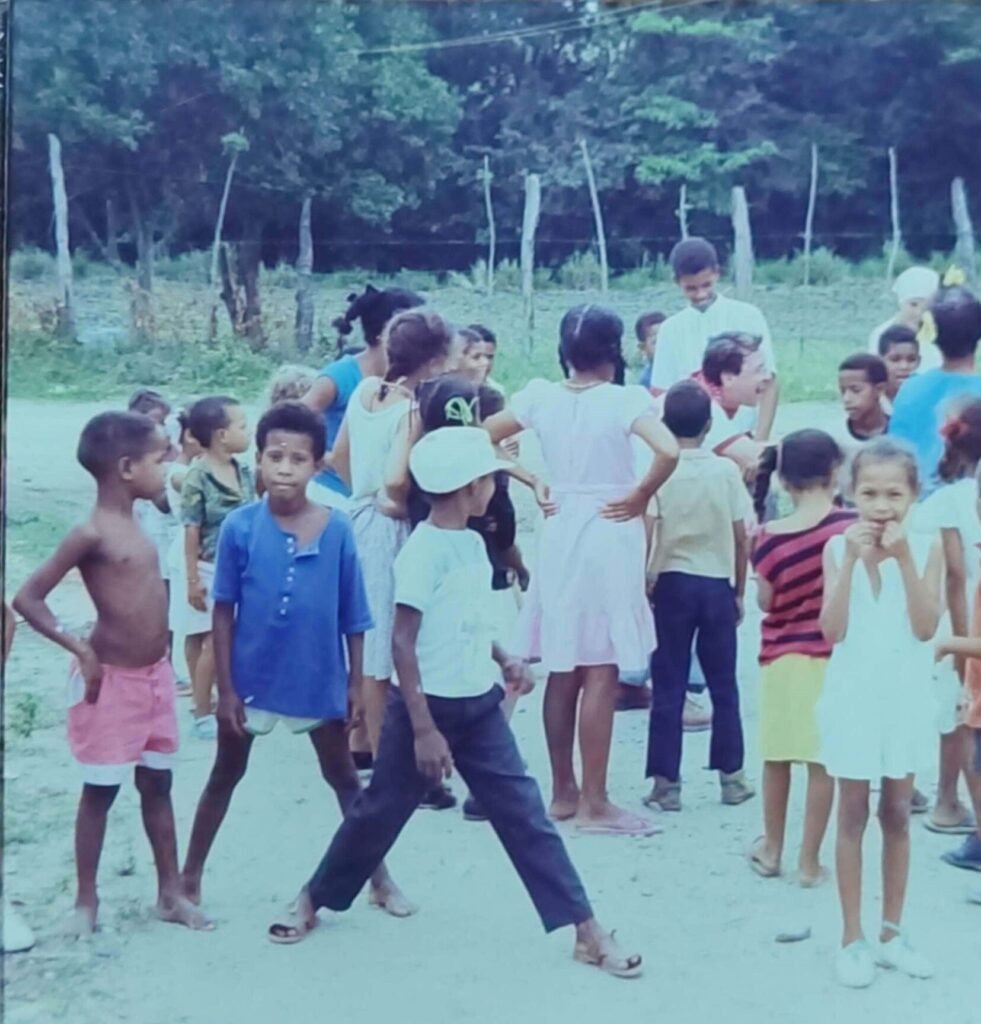
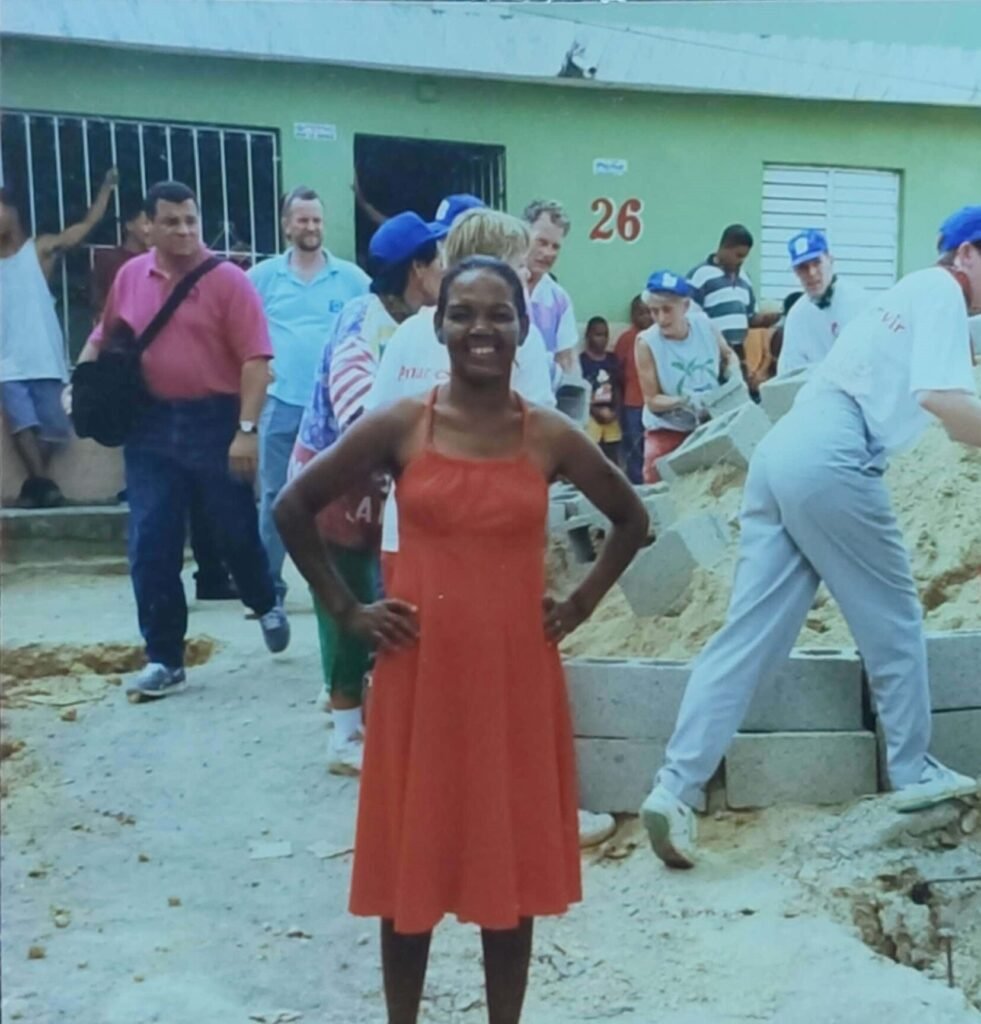
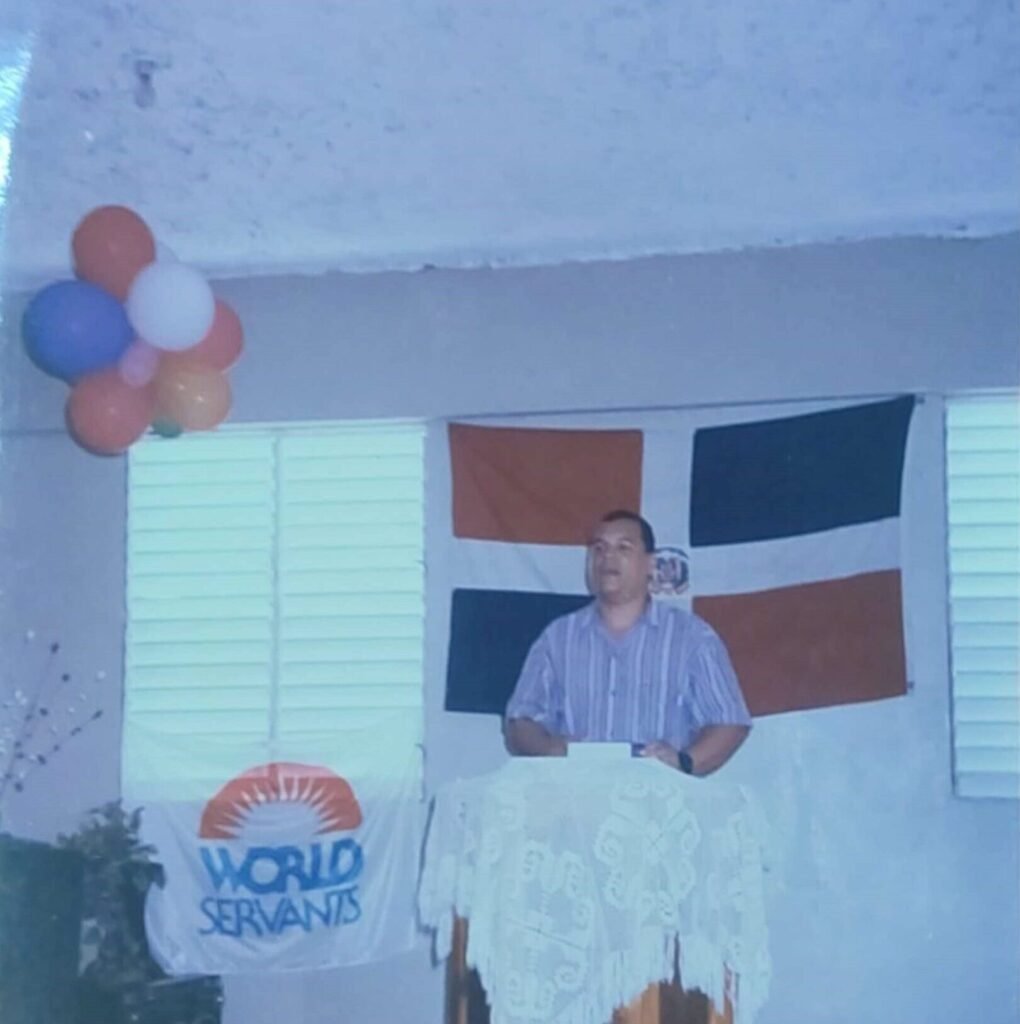
Institutionalization and an Integral Vision: 1991 – 1997
In 1991, at only 24 years old, Daniel Isaías officially became the national director of World Servants in the Dominican Republic and led the legal process of the ministry. After years of paperwork, and even the loss of the first lawyer assigned, in 1997 the organization was legally incorporated with the guidance of Dr. Julio Postil. It was then that we officially adopted our Spanish name: Servidores Mundiales.
A Turning Point: The 1997 International Conference
During the 1997 International Board meeting in Arracón, we evaluated the real impact of our projects. We visited communities where we had built years before: some were stagnant, but others —like Cenovín and Capotillo had grown and thrived through the leadership of committed pastors.
This led us to rethink our strategy: instead of “just passing through,” we decided to accompany communities for 5 to 10 years, ensuring sustainability and local empowerment. We only worked where there was committed leadership to integral development.
A New Mission: Water, Health, and Leadership – 2000 and Beyond
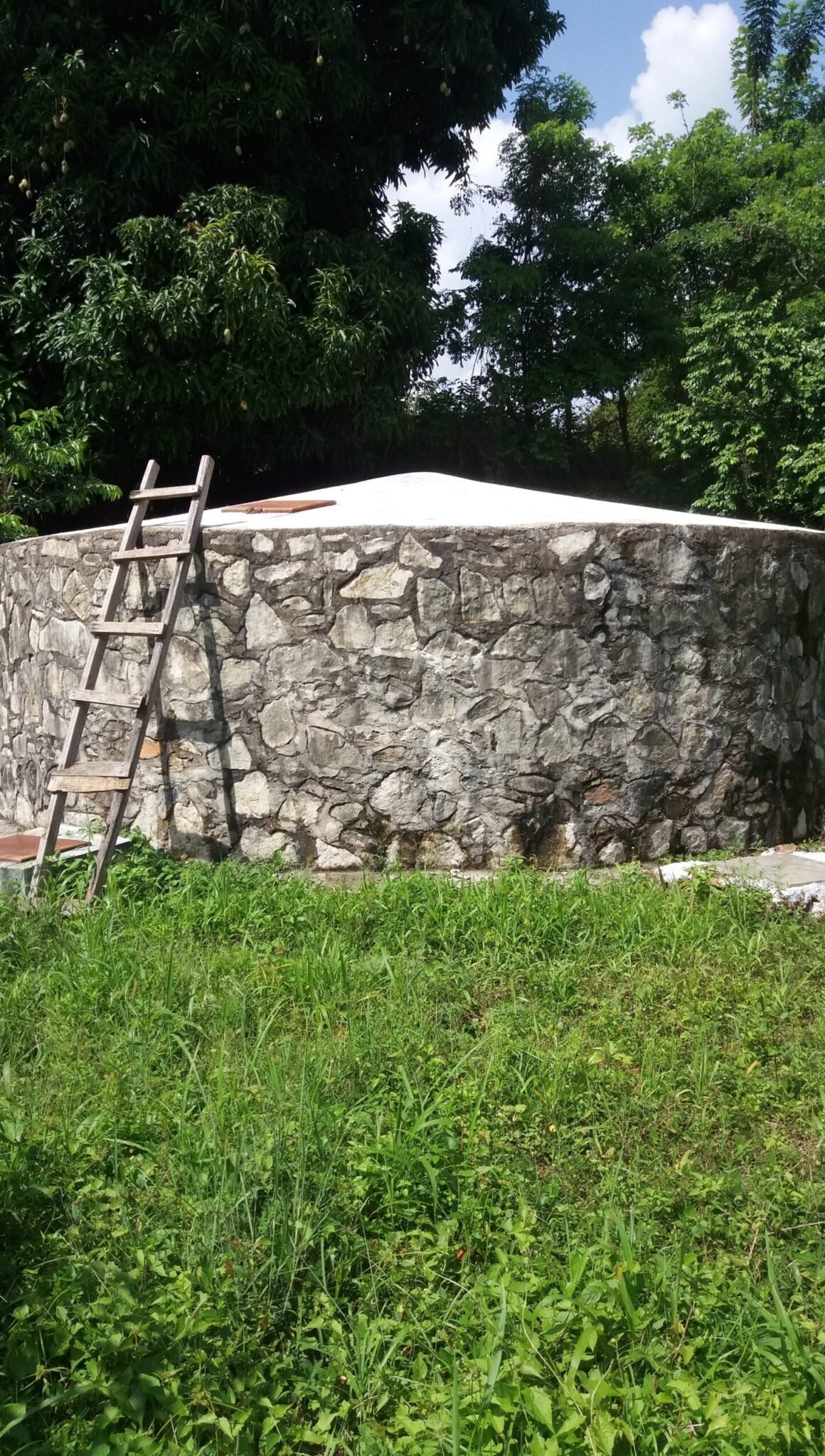
Starting in 2000, we launched a strategic partnership with Asociación Agua Viviente. Together, we carried out rural aqueduct projects in areas such as San Cristóbal, Santa Rosa, Los Anones, La Llanada, and Tres Beredas. One of the biggest challenges was the Ramón aqueduct, which benefited 305 families thanks to sponsorship from a Dutch company.
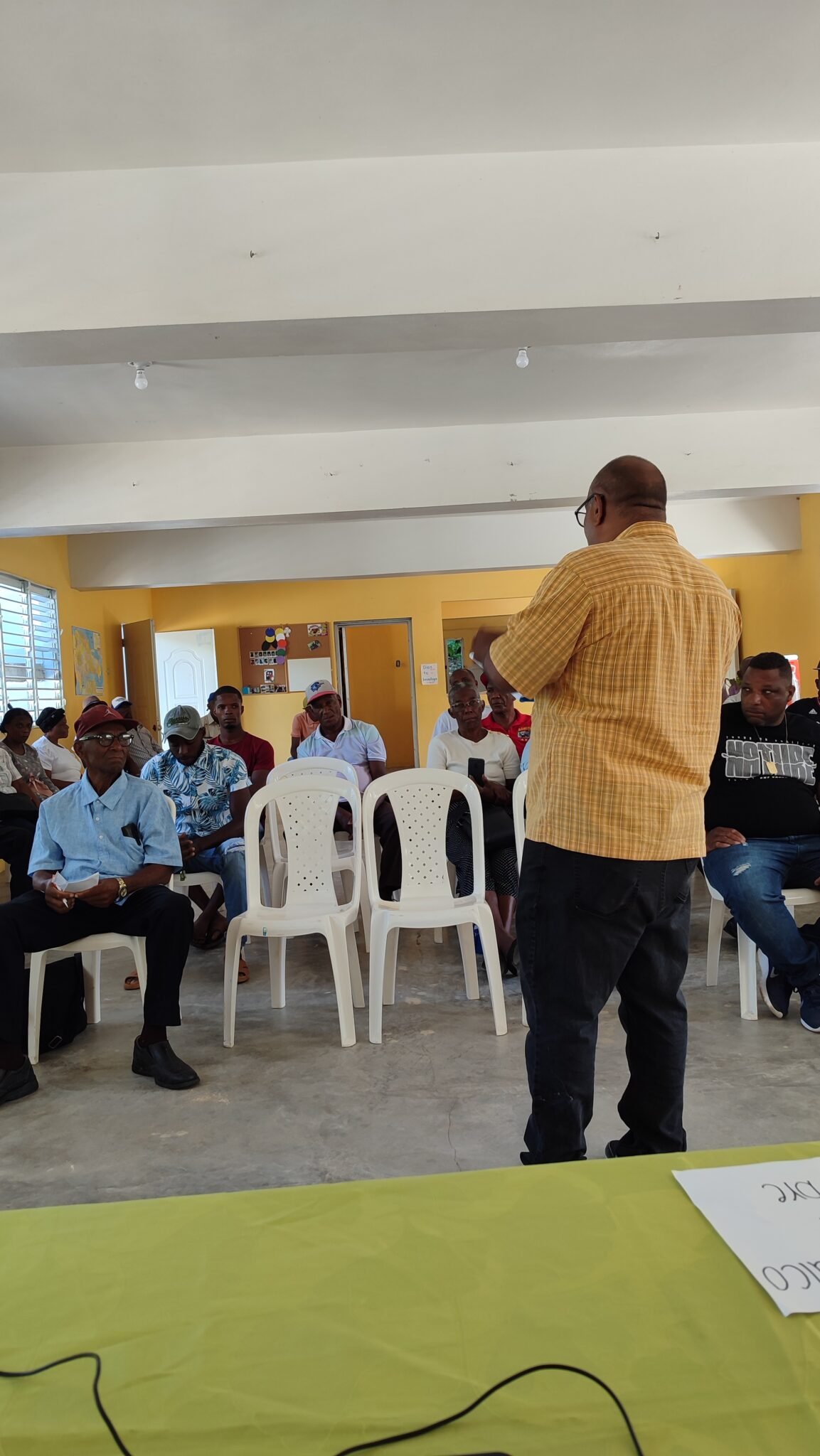
In 2006–2007, we began a community leadership program in Mano Matuey. We trained leaders from 8 communities in development planning: water, housing, roads, and sustainable agriculture (cacao, coffee, citrus). From there, the vision for a Community Training Center was born, with the first phase inaugurated in 2010. Its purpose was to strengthen local associations and promote certified organic farming.
We also implemented technical training for youth, such as basic electricity, enabling them to acquire skills to earn income and finance their studies. We joyfully witnessed how some even opened their own repair shops.
Transition and Continuity: 2012 – Today
In September 2012, after 28 years of leadership, Daniel Isaías stepped down as director, leaving behind a deep legacy and a strong structure. In the years that followed, the ministry continued under new leaders who, with vision and commitment, strengthened and expanded existing programs.
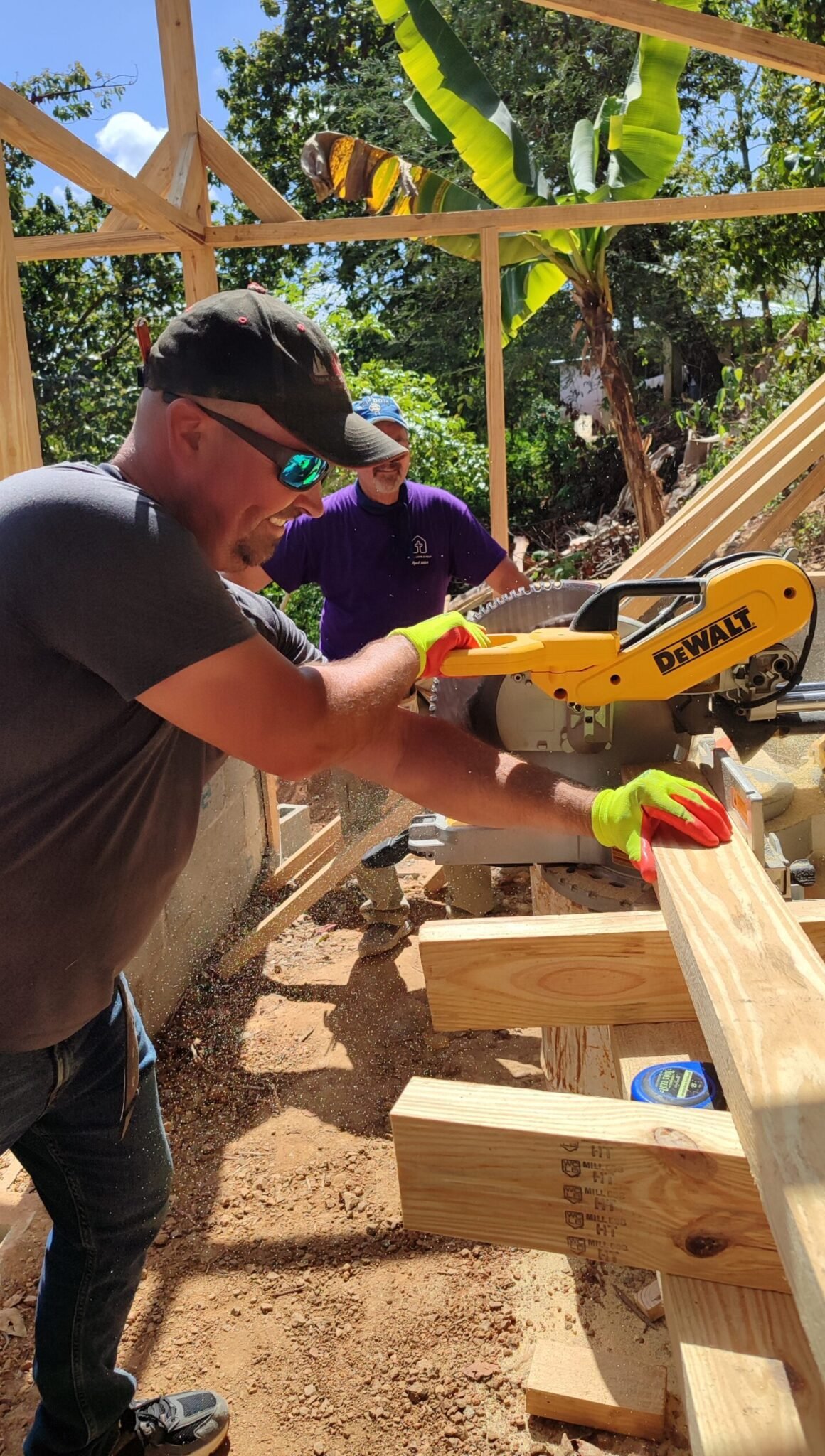
A major shift also happened in housing projects: we moved from partial repairs to building homes from the ground up, with safer and more durable designs. Specialized equipment —such as generators and saws— was introduced to increase efficiency, reduce risks, and improve the quality of life of the families we serve.
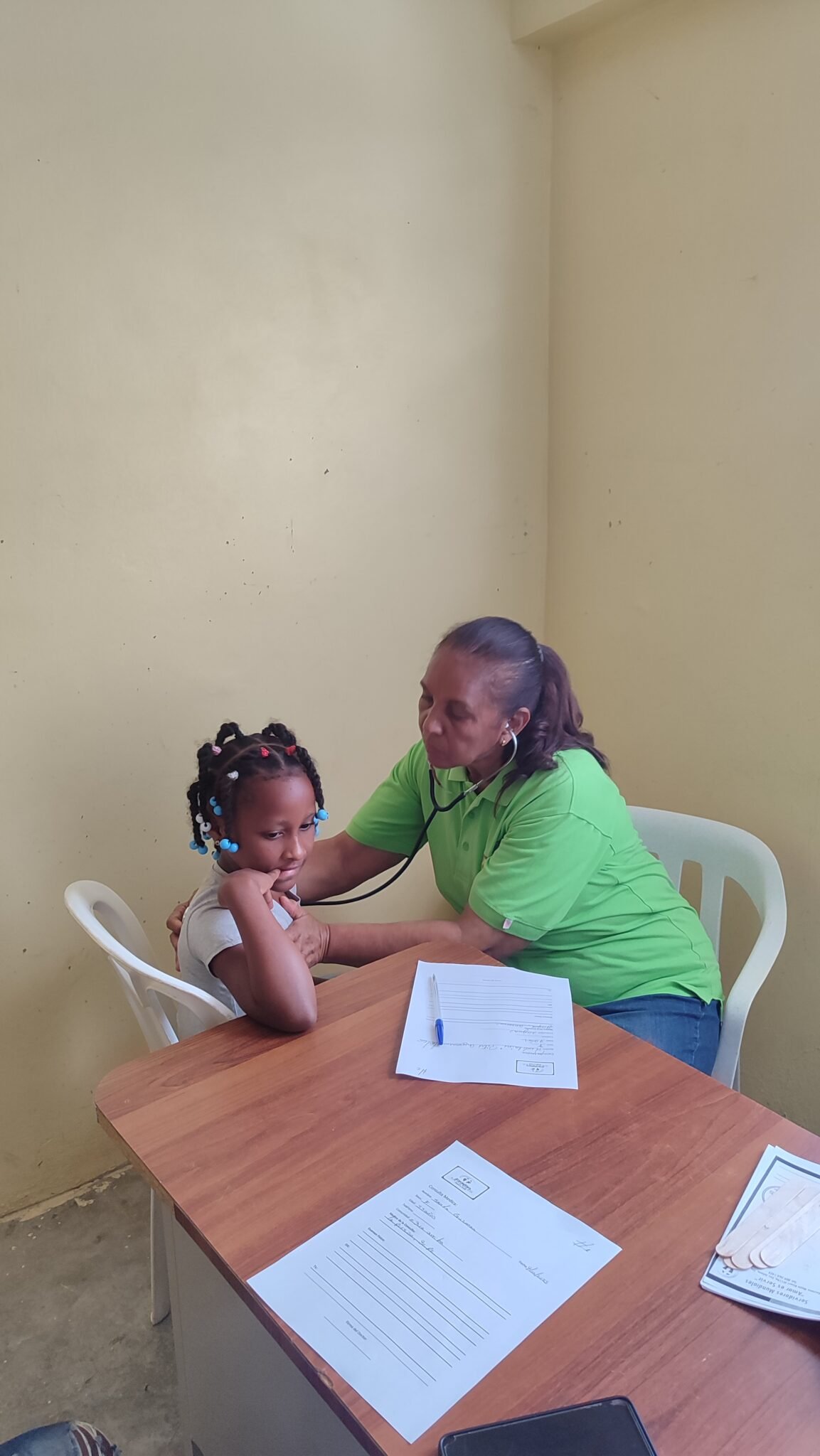
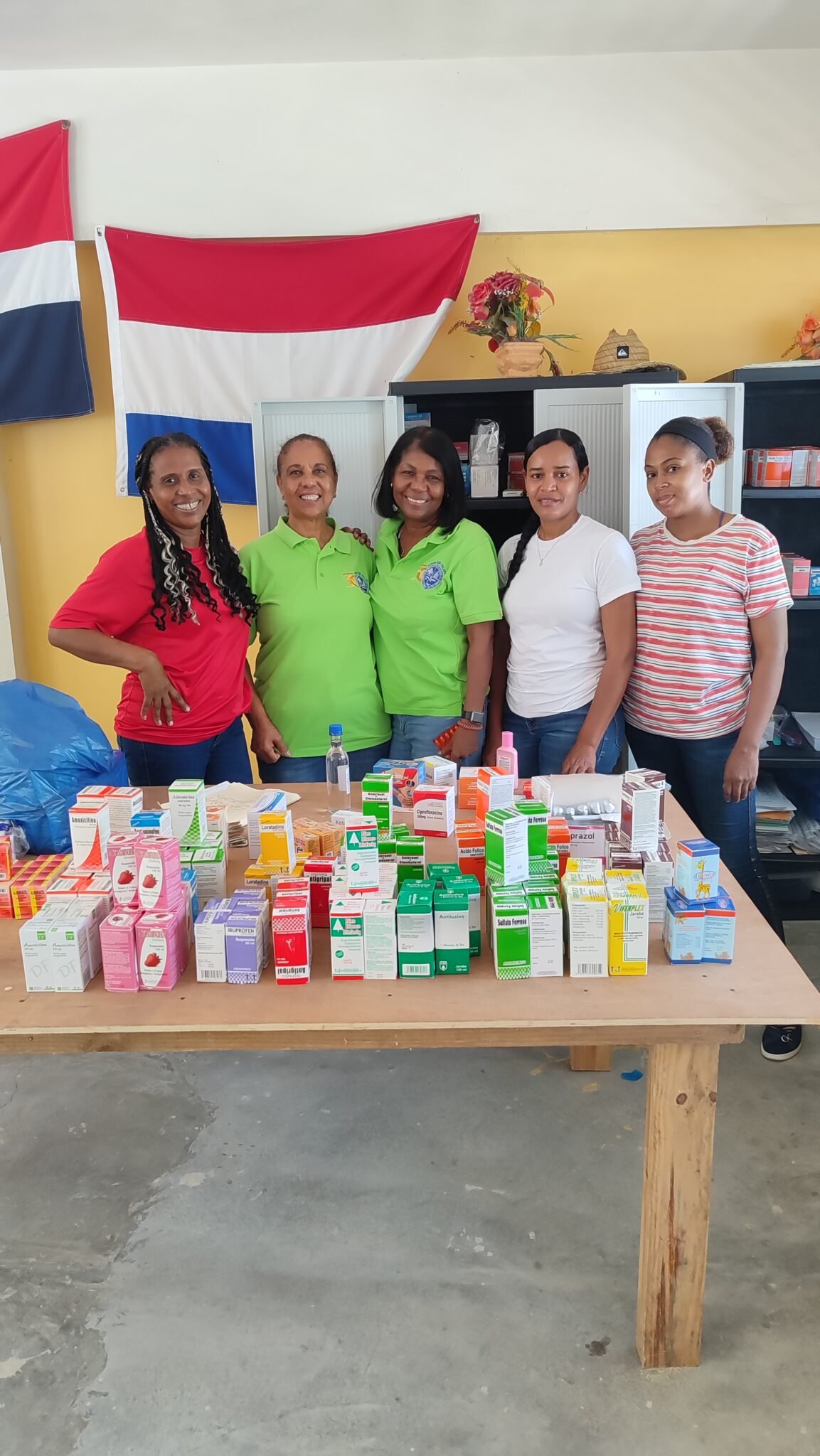
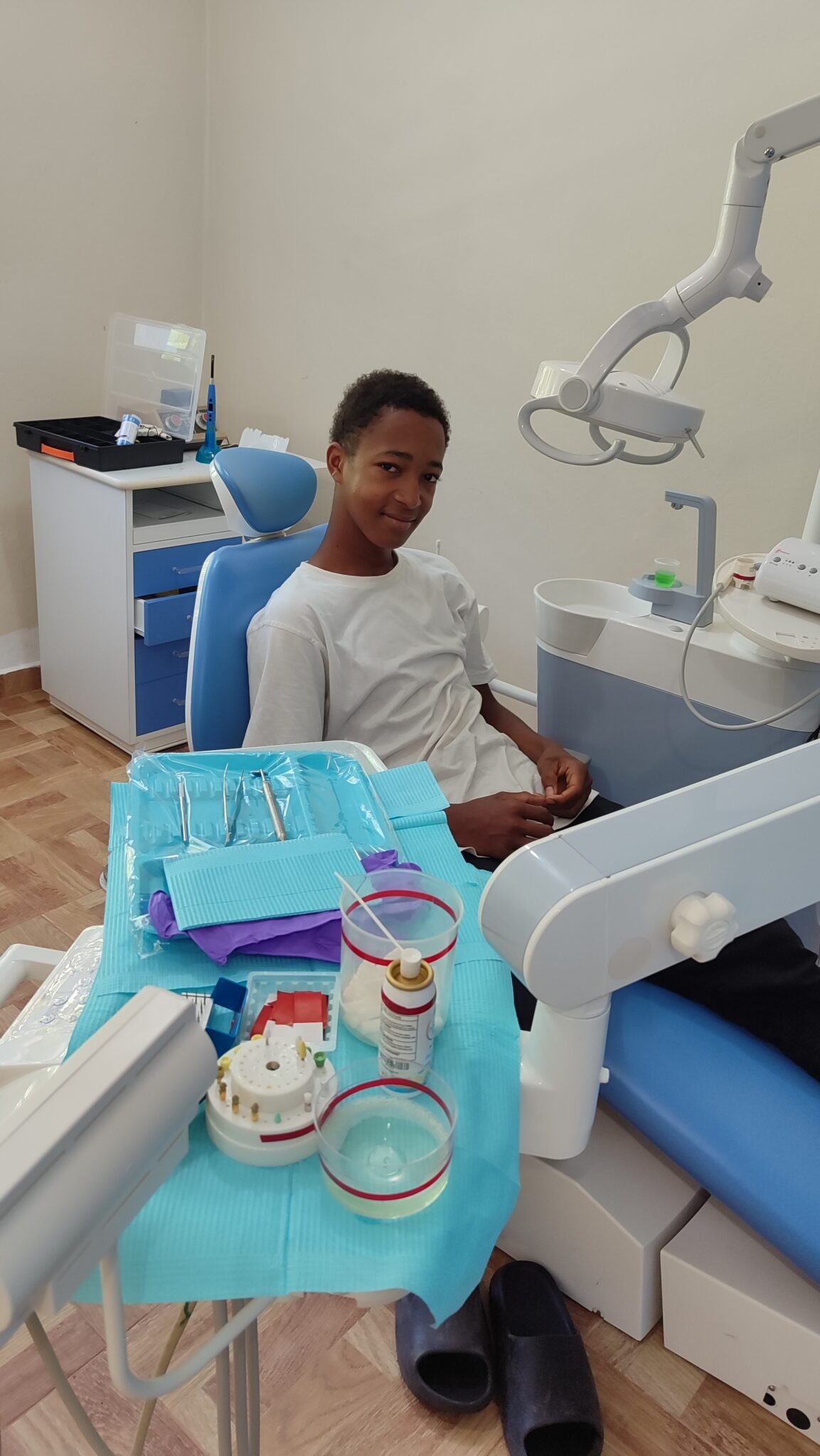
Health and dental projects also grew significantly, moving from once-a-year brigades to monthly services, impacting hundreds of people in rural areas. The frequency and reach of these mobile clinics became a cornerstone of our mission.
Today, despite the many challenges we’ve faced over the years, the churches and homes built, the families transformed, and the strengthened communities remain a living testimony of our mission.
Our Legacy in the Country
- Over the years, we have left a footprint throughout the Dominican Republic:
- Churches and pastors’ homes in Dajabón, Montecristi, Santiago, Ensanche Mella, Sabaneta, and more.
- Schools and classrooms in Dajabón and Loma de Cabrera.
- Partnerships with multiple denominations: Assemblies of God, Church of God, Methodists, Pentecostal Alliance, and independent councils.